Facial Reflexology
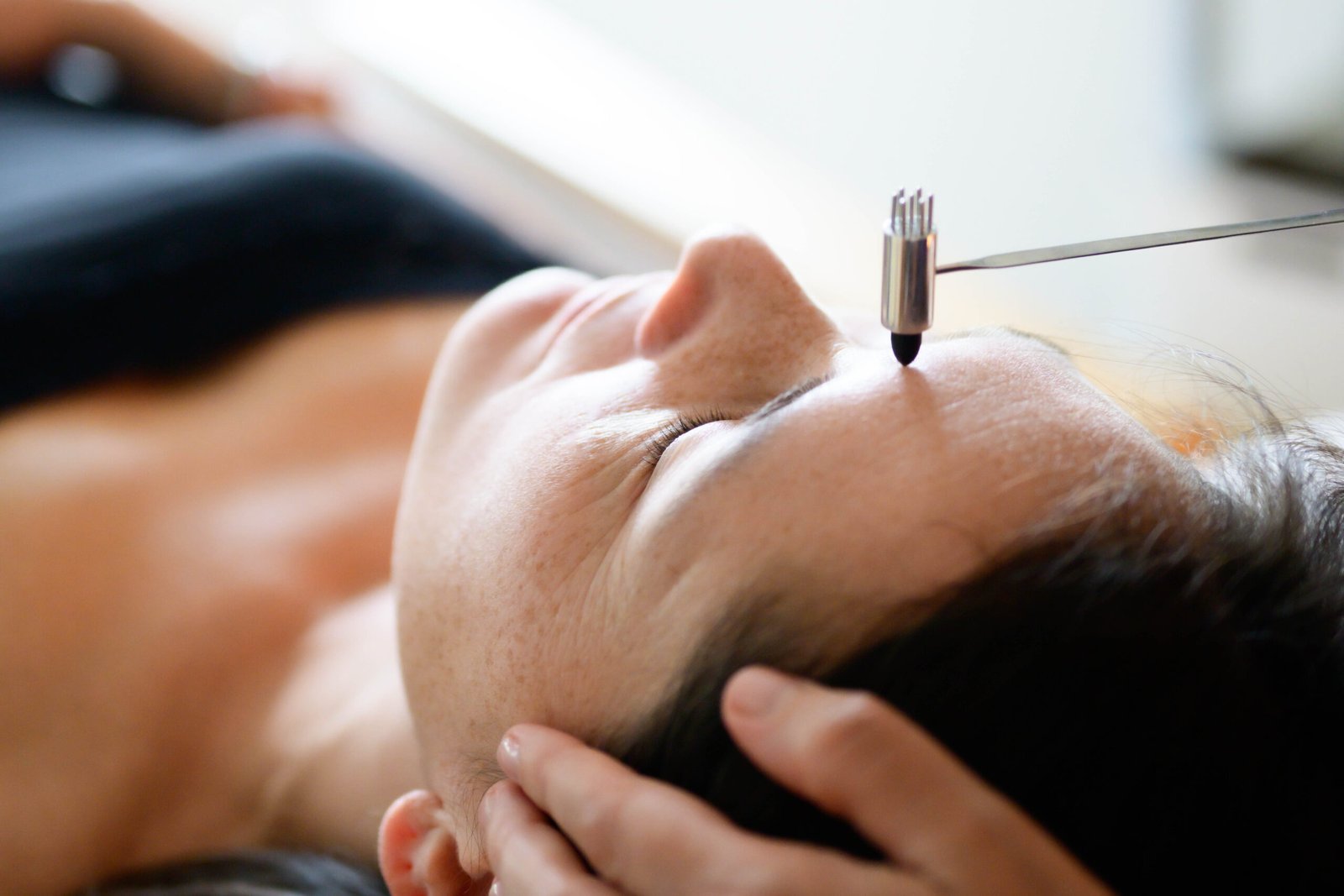
Balancing the whole body through the face.
Facial reflex points and gentle tools to ease tension and restore calm.
Facial reflexology works with reflex points across the face to treat the whole body. Because these points connect directly to cranial nerves and the central nervous system, working the face relieves muscle tension, calms the mind, and stimulates blood and lymph circulation.
Multiple Reflex Maps & Whole-Body Relief
Reflexology works on the principle that the entire body is reflected in a specific area. While foot reflexology relies on a single fixed map of the body, Vietnamese facial reflexology (Dien Chan) uses multiple overlapping diagrams across the face.
Different diagrams project the spine, joints, and internal organs across different facial zones. This allows issues to be addressed from several angles. If a point on the face is too sensitive or slow to respond, the corresponding reflex can be stimulated on an alternative facial map. Stimulating these precise points prompts the nervous system to ease physical pain and restore natural balance throughout the body.
When Facial Reflexology May Help
Like traditional foot reflexology, facial reflexology supports the entire body and is especially effective for relieving pain—with the added benefit of directly addressing tension and tone in the face:
Body & Pain Relief
- Pain anywhere in the body (acute or chronic)
- Muscular stiffness and joint aches (neck, shoulders, back, hips, knees)
- Stress, nervous tension, and mental fatigue
- Poor sleep and difficulty switching off
- Low energy and physical fatigue
- Digestive discomfort, bloating, and constipation
- Hormonal balance and menstrual pain
- Perimenopause and menopause support
- Recovery after illness, injury, or surgery
Face, Jaw & Skin
- Tension headaches, migraines, and sinus pressure
- Jaw tension, clenching, and teeth grinding (TMJ)
- Bell’s palsy and facial nerve recovery
- Facial puffiness, fluid retention, and under-eye bags
- Loss of facial tone and jowls
- Fine lines, expression wrinkles, and tight facial muscles
- Uneven skin tone and discolouration
Skin and Facial Tone
The visible changes in the face happen through direct muscle work and circulation:
- Facial tone and jowls: Stimulating facial muscles and circulation helps firm the skin and define the jawline.
- Fine lines and wrinkles: Releasing chronic tension held across the forehead, brow, and jaw allows expression lines to soften.
- Cell renewal: Precise stimulation with tools encourages skin repair and supports collagen production to improve elasticity.
- Skin tone and discolouration: Increased blood flow delivers nutrients to the skin, helping clear waste and improve uneven discolouration.
- Lymphatic drainage: Moves fluid away from the face and neck, reducing puffiness and under-eye bags.
Specialised Tools for Face and Body
To work accurately on both facial points and physical areas of discomfort, specialised tools are used throughout the session:
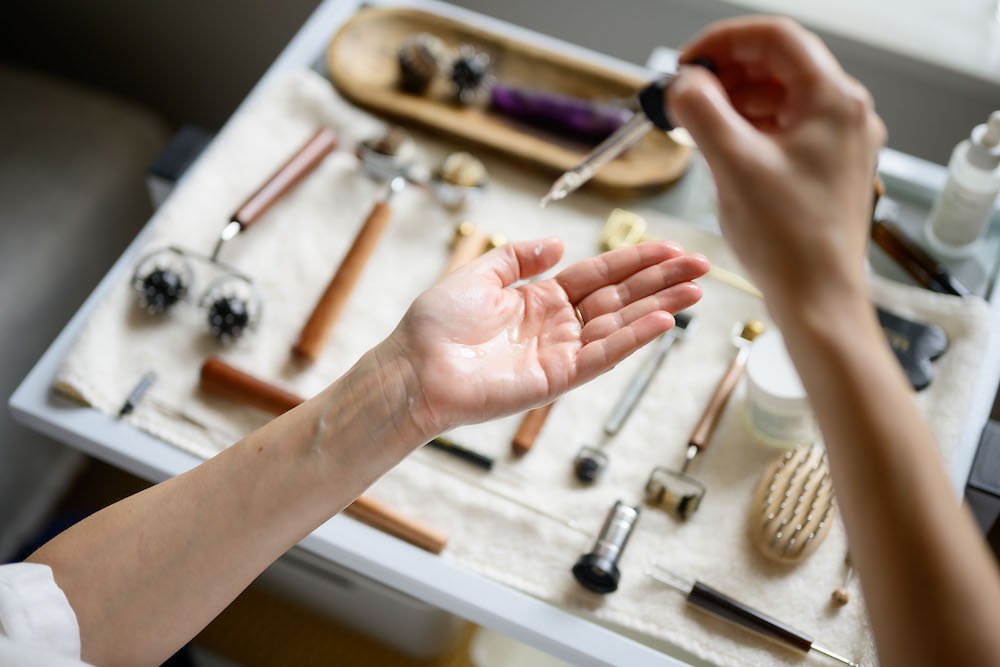
- Body rollers and reflex hammers: Used directly along the spine or over specific areas of pain (such as an aching leg, back, or shoulder) to stimulate blood flow and ease stiff tissue before reflex work begins.
- Smooth detectors: Pinpoint tender reflex points on the face that correspond to areas of pain and tension throughout the body.
- Facial rollers: Stimulate circulation, tone the skin, and release muscle tension across the face.
- Mini-rakes and reflex brushes: Gentle tools used across the face to soften tension, reduce puffiness, and settle an overactive nervous system.
Treatment Options
Facial Reflexology (60 mins)
Relief from pain, release of physical tension, and restored internal balance.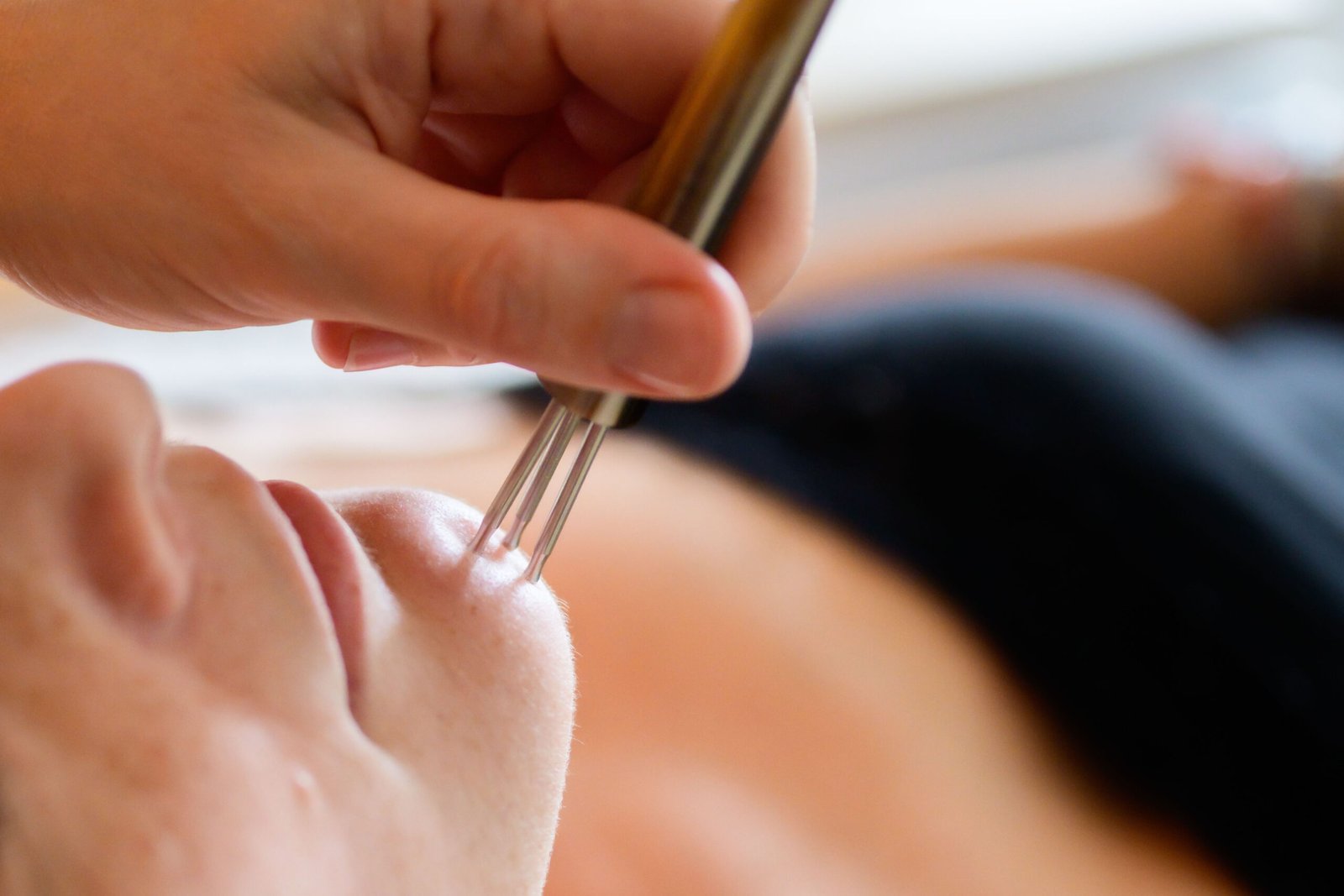
This treatment uses specialised reflex tools on the face to support the whole body, restore balance, and relieve stress, tension, and pain anywhere in the body. It also directly eases jaw tension, clenching (bruxism), TMJ discomfort, headaches, and aids facial nerve recovery such as Bell’s palsy.
If needed, tools may also be used directly on tight or painful areas—such as your neck, spine, or a sore joint—before working on the face.
- Practical details: Performed on clean skin, mostly dry, with a drop of oil used only if needed. Please wear loose clothing so we can work directly on your back, neck, or any painful area if needed.
Facial Reflexology & Sculpt (75 mins)
Whole-body calm, lifted tone, and naturally glowing skin.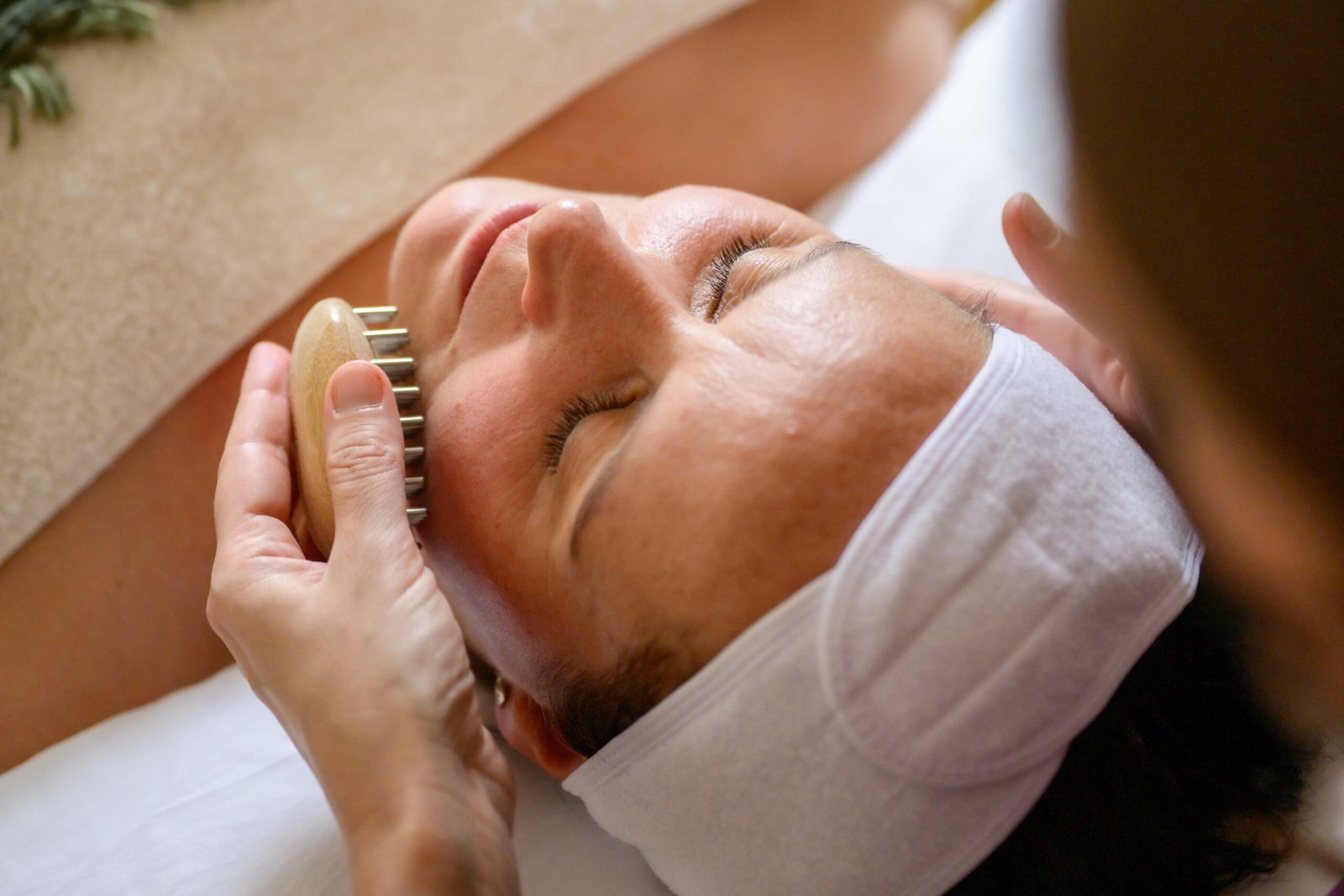
This treatment combines facial reflexology for whole-body wellbeing with warm towels, nourishing facial oil, reflex tools, and manual sculpting massage. While reflex points settle the body and release tension, the sculpting work softens expression lines, eases tight jaw and face muscles, clears puffiness, and boosts circulation to improve skin tone and elasticity.
- Practical details: Includes a gentle cleanse, warm towels, and nourishing facial oil. Headbands and wraps are provided to keep you comfortable and protect your clothes.
What to Expect from Your Session
Each appointment begins with a consultation to determine which treatment focus best matches your needs.
When addressing physical pain, tender reflex points are checked throughout the session to monitor immediate shifts in comfort and ease of movement.
What to wear: Please wear loose, comfortable clothing with easy access to your neck, back, or any specific area of discomfort (such as knees, hips, or shoulders). For Sculpt sessions, comfortable wraps and headbands are provided to protect your clothing and keep hair off your face.
Before your appointment:
- Clean skin: Arriving with a clean face free from makeup, heavy creams, or facial oils allows us to start straight away. If you are coming directly from work, micellar water and cotton pads are provided in the clinic so you can comfortably remove makeup before we begin.
- Contact lenses: Please bring a case and solution to remove lenses before we start, as work around the eyelids and brows requires completely relaxed eyes.
Contraindications & Safety
Facial reflexology is not suitable or must be postponed if you have:
- Pregnancy (at any stage)
- Botox or dermal fillers within the past 6 weeks
- Recent facial surgery or deep skin peels that have not fully healed
- Active cold sores, broken skin, or eye infections (such as conjunctivitis)
- Severe facial inflammation, active cystic acne, or inflamed breakouts
- Contagious skin conditions
Facial reflexology is a complementary therapy and does not replace medical diagnosis or treatment. For full information on safety protocols, please see the Safety & Contra-indications page.
Frequently Asked Questions
Is facial reflexology the same as a beauty facial?
No. Facial reflexology is a therapeutic neuro-reflex treatment, not a cosmetic beauty facial. There are no chemical peels, extractions, masks, or aesthetic machines. While a gentle cleanse, warm towel, and nourishing facial oil are used during the Sculpt treatment to facilitate muscle release and lymphatic flow, the core method uses specialised reflexology tools to stimulate nerve points, ease tension throughout the body, and calm the system.
Are the reflex points tender or painful?
Overall, the session is deeply relaxing and calming. However, when a detector or roller activates a reflex point connected to an area of inflammation, pain, or chronic tension in the body, you may feel momentary tenderness, a dull ache, or a quick spark of sensation. This tenderness simply pinpoints where the nervous system is holding tension. Pressure is always adjusted to your comfort, and tender points usually soften and release within seconds as the corresponding area in the body eases.
How many sessions will I need?
This depends on your individual goals:
- For acute pain or tension (e.g. recent neck spasm or sinus flare-up): Relief is often felt during or immediately after the first session, with 2–3 sessions providing lasting ease.
- For chronic conditions or long-held pain: A short course of weekly sessions (typically 4–6) allows the body to settle and hold the changes.
- For facial tone, fine lines, and puffiness: Results build cumulatively. An initial series of weekly sessions produces the most noticeable lift and tone, followed by monthly maintenance to sustain circulation and muscle tone.
How will I feel after the session?
Most clients feel profoundly relaxed, light, and mentally clear. Because reflexology prompts the body to release muscular tension and eliminate metabolic waste, you may feel deeply drowsy or experience mild thirst. Drinking plenty of water afterwards supports this natural clearing process.
Can I put makeup back on after my session?
It is best to leave your skin bare for the rest of the day if possible. The session stimulates circulation and lymph flow, so allowing the skin to breathe helps you get the full benefits. If you need to return to work or an event, mineral makeup or light skincare is perfectly fine.
Is facial reflexology covered by private health insurance?
Yes, provided your health insurance policy includes complementary therapies or day-to-day medical expenses. As an accredited member of the National Register of Reflexologists Ireland (NRRI), treatments qualify for reimbursement under major Irish insurers, including Vhi Healthcare, Laya Healthcare, and Irish Life Health.
All receipts are issued under "Facial Reflexology" with full NRRI professional registration credentials so you can submit them directly through your insurer's app. Please check your specific plan to confirm your per-visit benefit amount and annual allowance.
Book an Appointment
If facial reflexology feels like the right support for your health, you are very welcome to reserve a session.
Book AppointmentHave a question before booking? Get in touch.